Common problems with wedding flowers in Ilford and fixes
Posted on 03/10/2026
Wedding flowers should feel like the easy part. You pick the colours, choose the bouquet, maybe sigh over peonies for a minute, and imagine everything looking beautiful on the day. But in real life, wedding flowers in Ilford can run into all sorts of avoidable problems: petals bruise in transit, bouquets arrive a bit too open, buttonholes get crushed, or the final colour palette looks different under indoor lights than it did in the shop. It happens more often than couples expect.
This guide breaks down the common problems with wedding flowers in Ilford and fixes in plain English, with practical steps you can actually use. Whether you are planning a small civil ceremony, a church wedding, or a bigger celebration with table flowers, this will help you spot risks early, make better choices, and avoid that last-minute panic that nobody wants on a wedding morning. Let's face it, you already have enough to think about.
Table of Contents
- Why Common problems with wedding flowers in Ilford and fixes Matters
- How Common problems with wedding flowers in Ilford and fixes Works
- Key Benefits and Practical Advantages
- Who This Is For and When It Makes Sense
- Step-by-Step Guidance
- Expert Tips for Better Results
- Common Mistakes to Avoid
- Tools, Resources and Recommendations
- Law, Compliance, Standards, or Best Practice
- Options, Methods, or Comparison Table
- Case Study or Real-World Example
- Practical Checklist
- Conclusion
- Frequently Asked Questions
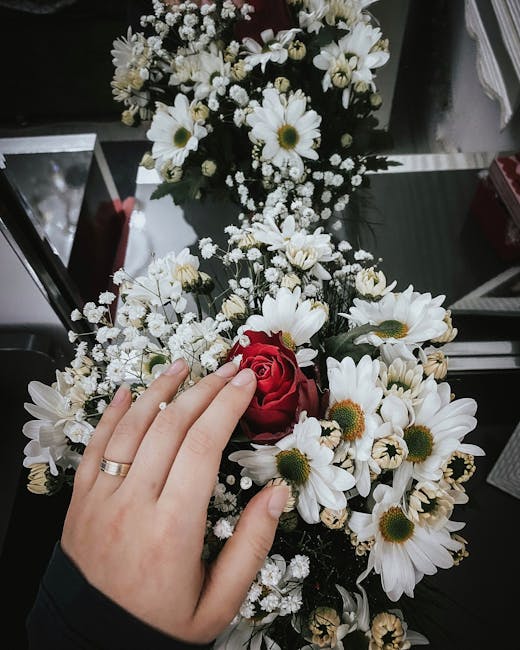
Why Common problems with wedding flowers in Ilford and fixes Matters
Wedding flowers do more than decorate a venue. They set the tone, carry the colour story through the day, and turn a standard room into something that feels personal. In Ilford, where weddings may involve travel across busy roads, venue loading restrictions, parking pressure, and a mix of traditional and modern settings, flower logistics can get complicated quicker than people expect.
The reason this matters is simple: small flower issues can become noticeable ones. A bouquet that is slightly too large can feel awkward in photos. A centrepiece that is too tall can block conversation at the dinner table. A delicate arrangement left in a warm car for too long can start looking tired before the vows even begin. And once the registrar is waiting or the guests are seated, there is very little room for a reset.
There is also an emotional side to it. Couples tend to put a lot of meaning into their wedding flowers. Roses may be chosen for romance, white blooms for elegance, or a mixed seasonal palette because it feels relaxed and joyful. When those flowers don't arrive as expected, the disappointment can be surprisingly strong. So yes, fixing flower problems is practical, but it is also about protecting the feeling of the day.
Short version: knowing the likely issues beforehand helps you save time, money, and stress. That is the real win.
How Common problems with wedding flowers in Ilford and fixes Works
Most wedding flower problems fall into a few predictable categories: timing, temperature, handling, design mismatch, and unclear communication. Once you understand these, the fixes become much easier.
Here is the basic flow. A couple chooses a style, a florist interprets that brief, flowers are sourced and conditioned, then arrangements are made and delivered. At any point in that chain, something can slip. Maybe the chosen bloom is out of season. Maybe the venue delivery window is tight. Maybe the bouquet was designed beautifully but not with enough thought for a windy outdoor photo session. The good news? Most of these issues can be prevented with planning.
In practice, the work is about matching three things:
- Design intent - what you want the flowers to look and feel like.
- Practical reality - what is available, durable, and transportable.
- Venue conditions - heat, light, access, timing, and display space.
That is why good flower planning is never just "pick something pretty". It is part creative brief, part logistics plan. A proper wedding florist will usually consider stem strength, vase water levels, packaging, delivery timing, and how long the flowers must last before the ceremony begins. If any one of those pieces is ignored, trouble starts creeping in.
For example, a couple may love an abundant, romantic bouquet with loose peonies and pale roses. Lovely idea. But if the wedding is on a hot afternoon and the photo schedule is long, that exact style may need more robust support flowers or a backup hydration plan. A strong florist will say so, rather than nodding and hoping for the best.
Key Benefits and Practical Advantages
Thinking through problems before the wedding may sound cautious, but it actually gives you more freedom. Once the risks are clear, you can make better choices without second-guessing everything.
The practical benefits include:
- Better value for money - fewer emergency replacements and less waste.
- Stronger visual consistency - bouquets, buttonholes, and table flowers match properly.
- Less day-of stress - one less thing to chase while hair and makeup are still happening.
- Longer-lasting flowers - arrangements that look fresher through the ceremony and reception.
- Cleaner guest experience - easier movement, better table visibility, and more comfortable photos.
There is also a quieter benefit that people don't always mention. When the flowers are handled well, the whole wedding feels calmer. Guests notice it. You notice it. The room has that fresh, lightly green scent, the stems look crisp, and everything just feels more together. Tiny detail, big effect.
Another practical advantage is flexibility. If you understand common issues, you can decide where to spend more and where to keep things simple. For instance, you might prioritise the bridal bouquet and ceremony flowers, then choose simpler table arrangements to stay within budget. That is a sensible trade-off, not a compromise.
Who This Is For and When It Makes Sense
This guide is useful for couples at almost any planning stage, but it is especially helpful if you are:
- planning a wedding in Ilford or nearby East London areas
- working with a tight schedule or short lead time
- trying to balance design, durability, and budget
- ordering flowers for multiple parts of the day, such as ceremony, reception, and photo moments
- unsure whether seasonal flowers will survive the timeline you have in mind
It also makes sense for anyone choosing flowers for a venue with limited access. Some buildings have narrow entrances, stairs, timed loading bays, or strict setup windows. That matters more than people expect. A bouquet can be perfect on paper and still be awkward if the delivery has to happen through a side entrance while guests are already arriving.
If you are the kind of person who likes things to be neat and organised, this is for you. If you are more of a "we'll sort it on the day" person, it is still for you, probably even more so. Wedding flowers reward planning. A little dull, maybe. Very useful, definitely.
And if you are comparing styles, it may help to browse a focused range like wedding flowers and see how bouquet, buttonhole, and table options sit together as a complete set.
Step-by-Step Guidance
Below is a straightforward way to prevent the most common wedding flower problems before they happen.
- Start with the venue and schedule. Check the ceremony time, reception location, delivery window, parking, and where flowers will be stored before setup. A warm hallway or sunny windowsill is not a holding area.
- Choose flowers that suit the season. Seasonal stems are usually easier to source and often behave better on the day. If your favourite bloom is out of season, ask for a similar shape or tone that is more reliable.
- Decide which pieces must look perfect. The bridal bouquet, top table, and ceremony flowers usually matter most. Everything else can be simpler if needed.
- Ask about conditioning and hydration. Flowers should be prepared properly before delivery. If stems are thirsty or not stored well, they will show it.
- Confirm size and scale. A bouquet that looks lovely in a sample photo may be too heavy to hold comfortably. A centrepiece might be gorgeous but block sightlines. Scale matters. A lot.
- Check the colour in natural and indoor light. Cream, ivory, blush, and white can all shift under lighting. What looks soft in daylight can appear cooler indoors.
- Build in a buffer. Ask for delivery with enough time before the ceremony so any small fixes can be made calmly.
- Plan a backup for heat, rain, or travel. If photos are outdoors, protect blooms from direct sun or wind. If transport is involved, keep arrangements upright and cool.
A useful rule: the more detailed the wedding plan, the more specific the flower brief should be. "Elegant and romantic" is fine as a starting point. But "soft pink and white, medium height, easy to carry, suitable for a late-afternoon indoor ceremony" is much better. That kind of clarity prevents half the usual issues.
Expert Tips for Better Results
Here is where the practical detail really pays off.
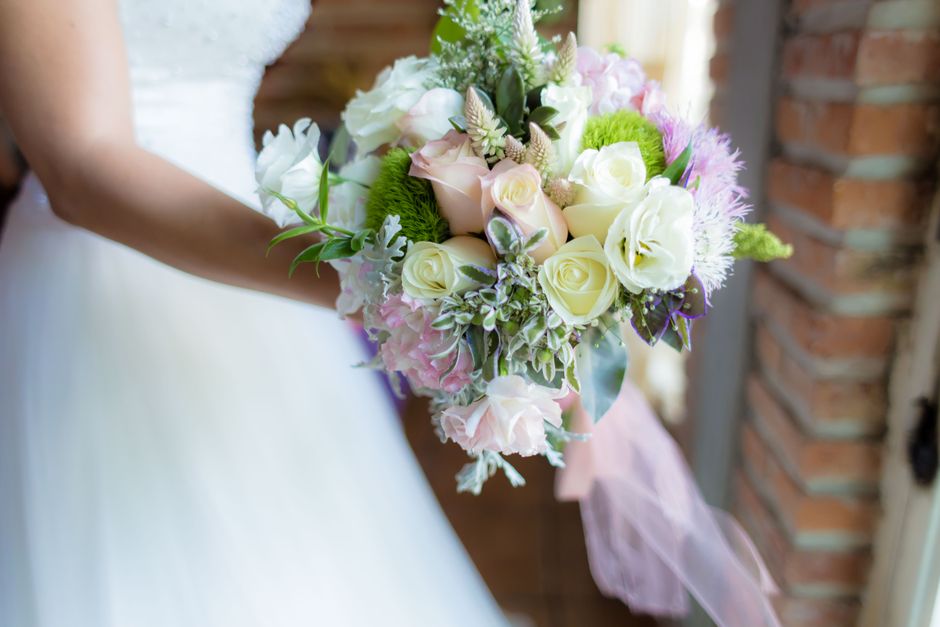
Tip 1: Keep the bouquet comfortable. A bouquet that is too large looks impressive for about three minutes, then your wrist starts complaining. Honestly, brides notice this quickly. It should feel balanced in the hand, not like a gym weight in disguise.
Tip 2: Use sturdier flowers for high-risk moments. For buttonholes, corsages, and items that will be handled a lot, choose stems that hold up well. Delicate petals can be beautiful, but they may not be the best choice if there is travel, hugging, or a long pre-ceremony wait.
Tip 3: Think about the room, not just the bouquet. If the reception space has dark decor, pale flowers may read brighter. If the room is already busy, simple arrangements often work better than highly layered designs. In a calm, light-filled room, you can usually be bolder.
Tip 4: Ask for a realistic substitute list. If the exact flower cannot be sourced, a good florist should have alternatives that keep the feel of the design intact. Not a random substitute. A proper one. That distinction matters.
Tip 5: Keep florals away from heat sources. Direct sunlight, radiators, hot cars, and crowded prep rooms can shorten vase life fast. Even ten minutes can matter on a warm day in summer.
Tip 6: Match the flowers to the journey. If you are moving from home to ceremony to reception, make sure each arrangement can survive the trip. Some designs are best delivered in sections and assembled on site. That is often the sensible route.
Tip 7: Use one point of contact. Wedding planning is busy enough without mixed instructions. One clear lead person keeps the brief consistent, which reduces errors and awkward "I thought you meant the other roses" moments.
And a slightly cheeky but true note: flowers are not psychic. If a detail matters, say it out loud and get it written down.
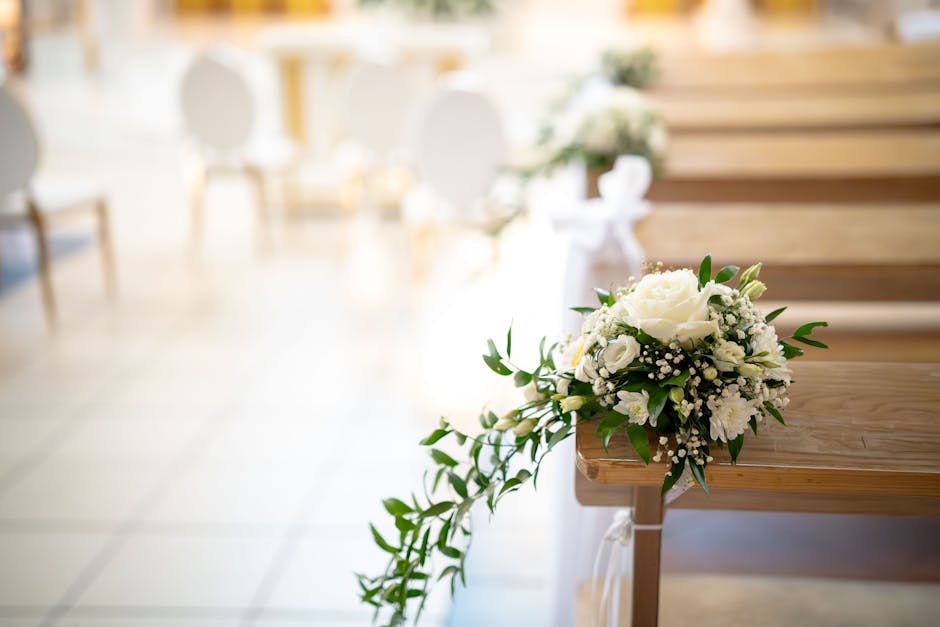
Common Mistakes to Avoid
Most wedding flower problems are not dramatic disasters. They are usually the result of small oversights that stack up. Here are the most common ones.
- Ordering too late. Waiting until the final few weeks can limit flower choice and reduce your options for substitutions.
- Choosing style over practicality. A dramatic design may look amazing in photos, but still be uncomfortable or fragile.
- Ignoring the venue layout. Tall arrangements, wide aisles, and narrow tables do not always get along.
- Forgetting transport. Flowers need to stay upright, cool, and protected. They are not keen on being shuffled around a boot for an hour.
- Not checking delivery timing. Even a beautiful arrangement can feel rushed if it arrives too close to the ceremony.
- Leaving colour decisions to the last minute. Inconsistent tones can make the whole scheme feel slightly off.
- Overloading the brief with too many requests. Sometimes "simple, fresh, and elegant" gives a better result than six different style directions.
One of the sneakiest mistakes is assuming all flowers behave the same. They do not. Some hold shape beautifully, some open quickly, and some need careful handling from the moment they are cut. If you've ever seen a bouquet go from crisp to floppy in the space of a morning, you know the feeling. Bit annoying, really.
Tools, Resources and Recommendations
You do not need specialist equipment to get this right, but a few simple tools and habits help enormously.
- Wedding planning checklist: Use it to track flower counts, delivery times, and who is responsible for receiving each arrangement.
- Venue floor plan or table layout: Even a rough sketch helps the florist plan centrepiece size and spacing.
- Phone photos of your dress, suit, decor, and colour samples: These help avoid mismatch between fabrics and flowers.
- Written notes on preferred and disliked flowers: Especially useful if there are allergies, fragrance concerns, or personal preferences.
- Simple storage instructions: Cool room, clean water, and no direct sunlight before use.
If you are looking for arrangement ideas, a browse through bridal bouquet options, bridesmaid bouquet styles, and wedding buttonholes can help you understand how matching pieces work together in a real wedding set.
It can also help to review the florist's practical pages on delivery and flower care so you know how flowers are handled before they reach you. That sort of detail is often where the difference shows up on the day.
Law, Compliance, Standards, or Best Practice
For most wedding flower planning, there is no complex legal framework the couple needs to manage directly. Still, there are a few best-practice points worth keeping in mind.
First, if you are using a venue, follow its setup and access rules. Many venues in London have policies around delivery times, loading access, noise, and where items can be placed. Those instructions are not there to be awkward; they are there because the building, staff, and other events need coordination. Respecting that schedule avoids stressful last-minute changes.
Second, if flowers are being delivered, stored, or installed by a supplier, clear communication matters. Names, times, access instructions, and contact details should be confirmed in writing. That is standard good practice and helps reduce errors.
Third, if anyone in your wedding party has sensitivities to fragrance or pollen, it is sensible to mention that early. While flowers are generally decorative and not a regulated hazard in the way food or medicine is, allergy awareness is still a reasonable and considerate part of planning.
Fourth, if you are comparing suppliers, look for straightforward information on refunds, substitutions, and delivery conditions. A transparent returns and refund policy and clear terms and conditions help set expectations. That is a better sign than glossy promises with no detail behind them.
Best practice, in plain terms, is simple: confirm the brief, confirm the timings, confirm who is responsible for what, and don't leave assumptions hanging in the air.
Options, Methods, or Comparison Table
Different wedding flower approaches suit different priorities. Below is a simple comparison to help you choose what fits your day best.
| Approach | Best for | Strengths | Possible drawbacks | Good fix if problems appear |
|---|---|---|---|---|
| Seasonal mixed flowers | Flexible couples who want a natural look | Often more reliable, varied texture, good value | Less control over exact blooms | Use colour-led substitutions and keep the palette consistent |
| Premium statement flowers | High-impact ceremony or photo moments | Striking visual effect, memorable finish | More sensitive to timing and weather | Limit exposure time and add sturdier support blooms |
| Simple elegant arrangements | Budget-conscious or minimalist weddings | Easy to handle, tidy, versatile | Can feel understated if the room is large | Increase impact through repetition and placement rather than size |
| Full venue styling | Couples wanting a strong floral theme throughout | Visually immersive, cohesive, photo-friendly | Higher coordination and more points of failure | Stagger delivery and prioritise ceremony pieces first |
If you are unsure which route to choose, it is often wiser to start with the ceremony and the bouquet, then build outward. That way the most photographed pieces get the most attention. Sensible, not fancy. And honestly, that is usually the right move.
Case Study or Real-World Example
Here is a realistic scenario from a typical East London wedding plan.
A couple planning a late-afternoon ceremony in Ilford wanted soft blush and white flowers with a relaxed garden feel. They also wanted bridesmaid bouquets, buttonholes, and two table arrangements for the reception. On paper, the design was simple. In practice, the ceremony was in a venue with limited parking and a tight delivery window, and the reception room had a lot of sunlight coming through the windows.
The first issue was timing. Rather than delivering everything at once, the florist split the setup into two stages. The ceremony bouquet, buttonholes, and key arrangements were delivered first. The table pieces were brought in closer to the reception, which reduced the chance of heat damage.
The second issue was scale. The original table arrangement concept was a little too tall for the room. It would have looked elegant, yes, but guests would have been peering around it all evening. The design was adjusted to lower, fuller pieces that still gave plenty of visual impact without blocking conversation.
The third issue was colour. Under the venue's indoor lighting, some of the pale tones looked cooler than expected. The florist added slightly warmer pink tones in the supporting flowers so the whole scheme felt more balanced. Small change, big improvement.
That is the real lesson here. Most flower problems do not need a dramatic rescue. They usually need calm planning, quick adjustments, and a florist who knows how to work with the space instead of fighting it.
Practical Checklist
Use this checklist before the wedding week and again the day before.
- Confirm ceremony and reception times
- Check venue access, parking, and delivery instructions
- Review bouquet size and comfort
- Confirm buttonholes and corsages for the right people
- Check whether table arrangements fit the table shape
- Ask what happens if a flower is unavailable
- Confirm who receives the delivery on the day
- Keep flowers away from heat, direct sun, and closed hot cars
- Have a backup contact number ready
- Make sure your florist knows about fragrance sensitivities or special requests
Quick reminder: the best wedding flower plans are the ones that leave room for the day to breathe a little. Not everything needs to be perfect-perfect. It needs to be beautiful and workable.
Conclusion
Wedding flowers in Ilford can be absolutely stunning, but they work best when beauty and practicality are treated as equals. The most common problems are usually predictable: timing issues, design mismatches, weather exposure, delivery pressure, and unclear expectations. Fortunately, the fixes are straightforward when you know what to look for.
If you remember only one thing, let it be this: choose flowers that suit the venue, the weather, the timeline, and the people carrying or handling them. That single mindset prevents a lot of frustration. It also gives you a calmer, more confident wedding day, which is really what all this planning is for.
If you are still narrowing down styles, it may help to revisit your flower choices with the full wedding picture in mind - bouquet, venue, transport, lighting, and budget all together. That is the sweet spot.
Get a free quote today and see how much you can save.
And when the day comes, may the flowers open beautifully, the colours settle just right, and everything feel a little more effortless than you feared.
Frequently Asked Questions
What are the most common problems with wedding flowers in Ilford?
The most common issues are late delivery, flowers arriving too warm or too open, colour mismatches, bouquet size problems, and arrangements not fitting the venue layout. Transport and timing are usually the biggest troublemakers.
How early should I book wedding flowers?
It is sensible to book as early as you can, especially if you want specific flowers or a busy wedding date. Early booking gives you more choice and more time to adjust the design if the first idea is not practical.
What is the best way to stop flowers wilting before the ceremony?
Keep them cool, hydrated, and out of direct sunlight. Avoid leaving them in a warm car or near radiators. If the flowers need to wait before use, ask for clear storage guidance from the florist.
Can I use out-of-season flowers for my wedding?
Yes, sometimes you can, but it may mean higher cost, more limited availability, or less predictable results. A good florist can suggest seasonal alternatives that keep the same colour and mood.
Why do wedding flowers sometimes look different from the pictures?
Pictures can be misleading because flowers change with lighting, season, and opening stage. A bloom that looks creamy in daylight may appear cooler indoors. Also, sample images often show peak-condition flowers, not the exact stems available on the day.
How do I choose the right size bouquet?
It should look balanced on your frame and feel comfortable to carry. If you are unsure, ask for a size that works in both photos and in your hand. A bouquet should enhance the day, not feel like a personal training session.
What should I do if the venue has difficult access?
Tell the florist early. Narrow stairs, limited parking, or short loading windows can affect delivery and setup. In some cases, it is better to split delivery into stages or keep arrangements simpler.
Are simple wedding flowers a bad idea?
Not at all. Simple arrangements can look elegant, feel modern, and reduce handling problems. If the room is already busy or the budget is tight, simplicity is often the smartest choice.
What flowers are usually better for buttonholes and corsages?
Sturdier flowers and compact designs usually work best because they need to survive handling, movement, and a long day. Delicate petals can be lovely, but durability matters more for these smaller pieces.
How do I know if my florist understands my brief?
They should ask clear questions about venue, timing, colours, season, and the level of importance for each floral piece. If they offer realistic substitutions and explain potential risks, that is a good sign.
What should I check on the wedding day itself?
Check that the flowers have arrived on time, that the bouquet is the right size and style, and that arrangements are placed where they should be. If anything looks off, address it early while there is still time to make a calm adjustment.
Can I request substitutions if my chosen flower is unavailable?
Yes, and you should. A proper substitute should match the original in tone, shape, or overall feel. If you are flexible, you will usually get a better result than if you insist on one exact bloom no matter what.